

Root Canal Treatment Ridgefield
Treat Toothaches and Save Your Smile

When you have a toothache, it can feel impossible to accomplish any other tasks on your to-do list. Going to work can feel like a nightmare, and once you get home, you simply cannot relax. If you’re suffering from tooth pain or notice other symptoms (i.e., swelling, fever, or gray discoloration of your tooth) don’t hesitate to contact us to schedule an appointment. We may be able to treat your toothache and save your smile right away with root canal treatment in Ridgefield.
Why Choose Ridgefield Perfect Smile Center for Root Canal Treatment?
- Dentists with Decades of Proven Experience
- Dental Team Prioritizes Your Comfort & Safety
- CBCT Scanner Produces High-Resolution Images for Precise Results
Signs You Need Root Canal Treatment
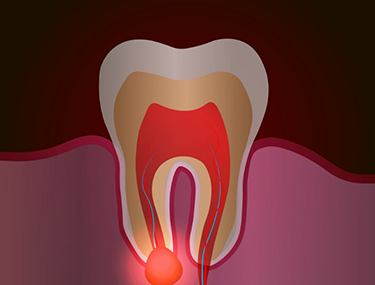
If you’re experiencing tooth pain, it could be caused by decay reaching the inner area of your tooth where vulnerable pulp and nerve tissue sit. However, those who have an infection inside their root canal need treatment to break it down and remove it. The nerve is responsible for alerting you when something inside your tooth is wrong, which is why the most common symptoms of needing a root canal include pain, pressure, or sensitivity to extreme temperatures. Without treatment, you run the risk of the infection spreading to other areas of your mouth and even your brain, so you don’t want to put off treatment if there’s an oral infection present.
The Root Canal Treatment Process
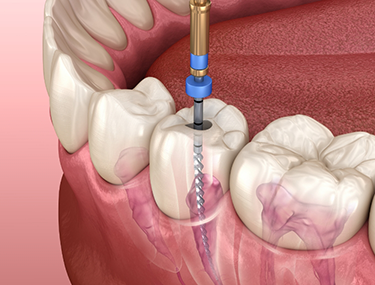
After performing X-rays and confirming that an infection is present, we’ll prepare your tooth for treatment by administering a local anesthetic. Then, we’ll create a small access hole in the top portion of your tooth to reach the pulp. Next, we’ll begin clearing away infected tissue and shape the root canal. This is followed by irrigation to clear away any residual infected tissue and make room for gutta-percha placement. Gutta-percha is a rubber-like material designed to replace lost tissue and reduce the risk of future infections. Finally, a temporary crown seals your tooth, while a permanent crown is made and placed at a later date, typically in about two weeks.
Does a Root Canal Hurt?

Thanks to the local anesthetic administered by the dentist, patients should feel no more discomfort during their treatment than what they would feel during a dental filling placement. The myth that root canals cause pain derives from the discomfort felt beforehand when the infection is present and afterward when the surgery is complete. However, mild soreness is typical for just about any oral surgery, not exclusively root canal therapy.
Recovering from Root Canal Treatment

You’ll need to make sure you follow the necessary aftercare steps as prescribed by our dentists to ensure a speedy recovery. Over the next 24 hours, these steps should include:
- Getting plenty of rest over the next 24 hours
- Taking over-the-counter painkillers to mitigate any discomfort
- Avoiding the use of straws to prevent accidentally dislodging the temporary crown
As you wait for your permanent tooth to be created, you’ll need to practice daily oral care as normal and minimize chewing on the affected tooth.
Understanding the Cost of Root Canals

The cost of root canal treatment varies based on several factors that Dr. Jones and our team will consider during your scheduled consultation. We aim to ensure you receive the most accurate estimate so you can prepare for any financial obligations you may incur. We will discuss your decision whether to use your dental insurance benefits or if you require flexible financing to lower out-of-pocket costs.
Factors That Can Affect Root Canal Cost
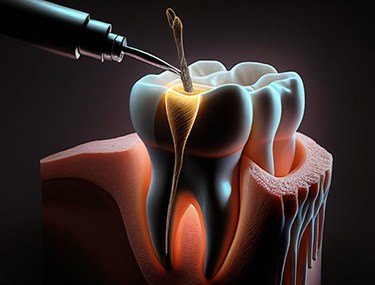
The estimate you review will contain a breakdown of the cost of your treatment. The factors that are attributed to the total amount include:
- The type of tooth that requires a root canal (molars are more complex and can take more time to treat)
- The location of the tooth needing treatment
- Whether a member of our team or an outside specialist will need to complete the root canal
- Any additional restorative service, such as a dental crown, which will likely be required to ensure proper protection after treatment is complete
Is It Cheaper to Pull My Tooth?
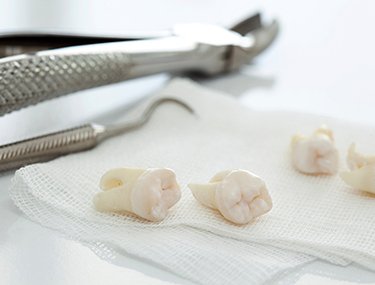
Are tooth extractions cheaper than root canals? In many cases, yes, but removing an infected tooth is not always the best answer. We aim to preserve your natural teeth as much as possible, so if we can save the problem tooth, we will.
In addition, there are long-term costs associated with tooth removal. All teeth (except wisdom teeth) need proper replacement if they are extracted. Otherwise, bone resorption occurs, dental drift can occur, and poor oral health can follow. Greater expenses are necessary when replacing an extracted tooth with a dental bridge, partial denture, or dental implant. They must be maintained over time and replaced, depending on the type of prosthetic you receive.
Root canals are typically performed once, so you can consider it to be more affordable in the long run.
Does Dental Insurance Cover Root Canals?

Most dental insurance companies will provide partial coverage for root canal treatment. If you have met your deductible and have available funds remaining, they may agree to pay 40-80% of the total cost. If you are unsure about the details of your plan or how much of your annual maximum remains, our team can help you get the answers. We’ll work on your behalf and help maximize your benefits.
Other Options for Making Root Canal Therapy Affordable
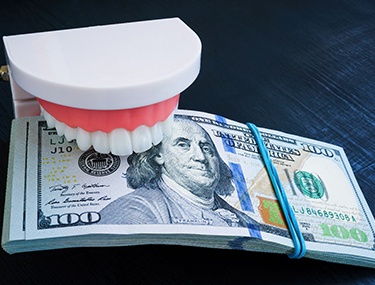
At Ridgefield Perfect Smile Center, Dr. Jones and our team recognize that not all patients have private dental insurance. Because we believe in helping individuals with the cost of their care, we work closely with CareCredit Financing. Instead of feeling overwhelmed with the idea of paying the full amount up front and out of pocket, CareCredit allows you to choose a plan with low or no interest so that you can break up the total into manageable monthly payments.
Root Canal FAQs
Are Root Canals Covered by Insurance?
In addition to covering preventive dental care, many dental insurance providers cover a portion of the cost of restorative treatments. So, if you are insured, take the time to read through the fine print on your plan. You can also provide us with your membership information so we can take a look at your coverage, give you an estimate of your out-of-pocket expenses, and, if you don’t have any questions, file the paperwork on your behalf.
Can Root Canals Be Prevented?
Many dental emergencies, including root canals, can be prevented. That’s why we encourage our patients to incorporate healthy habits into their daily routine, like wearing a mouthguard during contact and non-contact sports, exercising caution with crunchy foods, and brushing for two full minutes each morning and evening. Simultaneously, avoid doing anything that could result in dental damage, including biting your nails, chewing on ice cubes, and smoking.
What Should I Do Before a Root Canal?
In the weeks leading up to your root canal, we recommend avoiding alcohol, staying away from tobacco, and eating mostly healthy, well-balanced meals. It’s also a good idea to buy anything you need for the recovery period, like soft foods and OTC pain medication. The night before, do your best to get eight hours of sleep. Then, the morning of your appointment, choose something comfortable to wear.
What Happens if You Wait Too Long for a Root Canal?
Since your teeth cannot heal themselves, the infection will continue to develop. Before long, it will “kill” the nerve of your tooth. With enough time, it can even damage it beyond the point of saving and spread throughout your mouth and body. That’s why it’s so important to get a root canal when we first recommend it.
Do Root Canals Make You Sick?
No. However, the myth that root canals are connected to illness continues to persist. This is largely due to research conducted back in the 1920s by a dentist named Dr. Weston Price. Although he claimed that his research showed that it was better to extract a tooth, it was poorly designed. Not only that, but his findings have been disproven on several occasions, and there isn’t any scientific evidence to support his original claims. In fact, the opposite is usually true: if you don’t get a root canal, the infection can spread throughout your mouth and body.
Why Do I Need a Root Canal if My Tooth Doesn’t Hurt?
Simply put, excruciating toothaches are just one of many warning signs of considerable dental damage. Dark discoloration on the tooth, a crack in the enamel, and a pimple-like bump on the gums also signal that restorative care is needed. Rest assured, we will share what we found during your exam, discuss all of your treatment options, and share why we recommend a root canal. We will also answer any questions you have to ensure that you feel completely confident moving forward.